


Discovering Usui Reiki: Its Meaning, Benefits, and Rich History

Energy healing practices have gained popularity worldwide, offering gentle ways to support well-being. Among these, Usui Reiki stands out as a widely practiced method that combines spiritual tradition with hands-on healing. This post explores what Usui Reiki is, its benefits, and the history behind this healing art.
What Is Usui Reiki?
Usui Reiki is a form of energy healing developed by Mikao Usui in Japan in the early 20th century. The word "Reiki" comes from two Japanese words: rei, meaning universal, and ki, meaning life energy. This practice involves channeling universal life energy through the hands of a practitioner to promote physical, emotional, and spiritual healing.
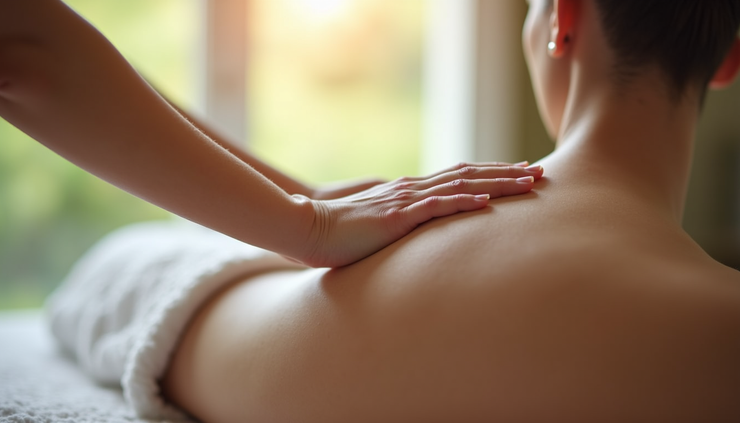
Unlike massage or physical therapy, Reiki does not require physical manipulation of the body. Instead, practitioners place their hands lightly on or just above the body, allowing energy to flow where it is needed. This energy flow is believed to help balance the body's energy systems, reduce stress, and support natural healing processes.
Reiki is accessible to many people because it is non-invasive and can be adapted to individual needs. It is often used alongside conventional medical treatments to enhance overall wellness.
The History of Usui Reiki
The story of Usui Reiki begins with Mikao Usui, a Japanese Buddhist who sought a method to heal without relying on drugs or surgery. Around 1922, after years of study and meditation on Mount Kurama, Usui reportedly experienced a spiritual awakening that gave him the ability to channel healing energy.
Usui then developed a system of healing and teaching that included specific hand positions, symbols, and rituals. He founded the Usui Reiki Ryoho Gakkai, an organization dedicated to spreading Reiki healing and education.
After Usui’s death in 1926, his students carried on the practice, and Reiki gradually spread beyond Japan. In the 1930s and 1940s, Chujiro Hayashi, one of Usui’s students, refined the system and opened a Reiki clinic in Tokyo. One of Hayashi’s students, Hawayo Takata, brought Reiki to the West in the 1970s, where it gained popularity in the United States and Europe.
Today, Usui Reiki is practiced worldwide, with many schools and styles, but all trace their roots back to Mikao Usui’s original teachings.

Benefits of Usui Reiki
People seek Usui Reiki for many reasons, from stress relief to support during illness. While scientific research on Reiki is still growing, many individuals report positive effects. Some of the commonly experienced benefits include:
Stress reduction and relaxation
Reiki sessions often induce a deep state of relaxation, helping to lower stress hormones and calm the nervous system.
Pain relief
Some people find that Reiki helps reduce chronic pain or discomfort after injury or surgery.
Emotional balance
Reiki can support emotional healing by helping release negative feelings and promoting a sense of peace.
Improved sleep
Many recipients report better sleep quality following Reiki treatments.
Support for healing
Reiki is used alongside medical treatments to enhance recovery and improve overall well-being.
For example, cancer patients often use Reiki as a complementary therapy to ease side effects of chemotherapy, such as nausea and fatigue. While Reiki is not a substitute for medical care, it can provide comfort and improve quality of life.
How a Reiki Session Works
A typical Usui Reiki session lasts about 60 to 90 minutes. The recipient usually lies down fully clothed while the practitioner places their hands lightly on or just above different parts of the body. The practitioner may hold each position for several minutes, focusing on areas where energy feels blocked or where healing is needed.
Many people describe sensations such as warmth, tingling, or a gentle pulsing during the session. Others simply feel deeply relaxed or even fall asleep. After the session, recipients often feel calm, refreshed, and more centered.
Reiki training involves learning hand positions, meditation techniques, and the use of Reiki symbols. Practitioners receive attunements from a Reiki master, which are believed to open their energy channels for healing.

Who Can Practice Usui Reiki?
One of the appealing aspects of Usui Reiki is that it can be learned by anyone interested in healing. Reiki training is typically divided into levels:
Level 1 focuses on self-healing and healing others through hands-on techniques.
Level 2 introduces Reiki symbols and distance healing.
Level 3 or Master level prepares practitioners to teach and attune others.
Many people use Reiki for personal growth and self-care, while others become professional practitioners. Because Reiki is gentle and non-invasive, it can be used with people of all ages, including children and the elderly.
Final Thoughts on Usui Reiki
Usui Reiki offers a gentle, accessible way to support health and well-being through energy healing. Its rich history connects modern practitioners to a tradition that blends spirituality with practical healing techniques. Whether you seek relaxation, emotional balance, or complementary support during illness, Reiki provides a path to connect with your body's natural ability to heal.
If you are curious about Reiki, consider experiencing a session with a certified practitioner or exploring Reiki training yourself. This practice invites you to slow down, tune in, and discover the power of universal life energy.

Comments