


Understanding Reiki for Beginners: A Comprehensive Overview

If you have ever heard about Reiki and wondered what it really involves, you are not alone. Many people are curious about this gentle healing practice but are unsure what to expect or how it works. Reiki offers a calm, non-invasive way to support relaxation, balance, and overall wellbeing. It often complements other therapies by helping to soothe the mind and encourage the body’s natural healing processes.
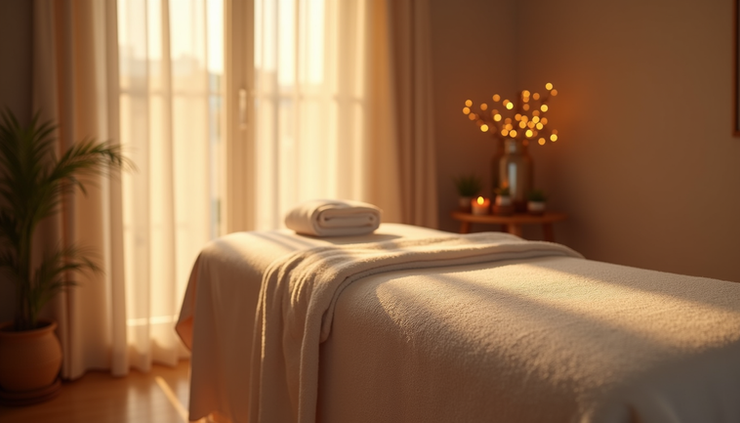
What Reiki Is and How It Works
Reiki is based on the belief that a natural flow of energy runs through every person. When this energy flows freely and is balanced, people tend to feel calm, grounded, and healthy. Stress, illness, or emotional difficulties can disrupt this flow, leading to feelings of tension, overwhelm, or imbalance.
During a Reiki session, a practitioner uses light touch or holds their hands just above the body to gently guide energy. This process is subtle and relaxing rather than forceful or invasive. Many people describe Reiki as a way for the body to “reset” itself naturally, promoting a sense of calm and wellbeing.
What Happens in a Reiki Healing Session
A Reiki session is designed to be a peaceful experience that helps you relax physically and mentally. Here is what typically happens:
You stay fully clothed throughout the session.
You lie comfortably on a treatment couch.
Soft, soothing music may play in the background.
The practitioner places their hands lightly on or just above your body in a series of positions.
There is no expectation to feel anything specific during the session. Everyone’s experience is unique, and all responses are valid. Some people notice sensations, while others simply feel deeply relaxed or even fall asleep.
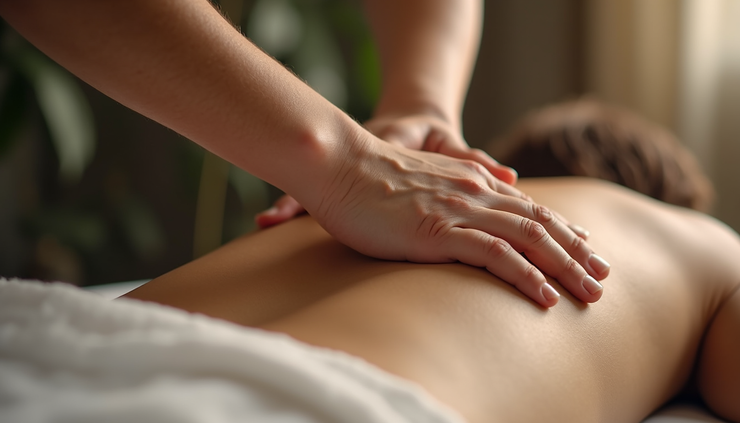
What Reiki Feels Like
People often ask what Reiki feels like, but the answer varies widely. Some common sensations include:
A gentle warmth or heat spreading through the body
Tingling or subtle vibrations
Deep relaxation and calmness
Emotional release, such as tears or a sense of relief
Mental clarity or a peaceful state of mind
Others may not notice any physical sensations but still feel refreshed and balanced afterward. Reiki works quietly and individually, supporting your body’s natural rhythms.
Benefits and Uses of Reiki
Reiki is used by many to support wellbeing in different ways. It is not a replacement for medical treatment but can be a helpful complement. Some benefits people report include:
Reduced stress and anxiety
Relief from pain or tension
Improved sleep quality
Enhanced mood and emotional balance
Support during recovery from illness or surgery
For example, someone dealing with chronic headaches might find that Reiki sessions help reduce the frequency or intensity of their pain. Another person recovering from surgery might feel less anxious and more relaxed during their healing process.
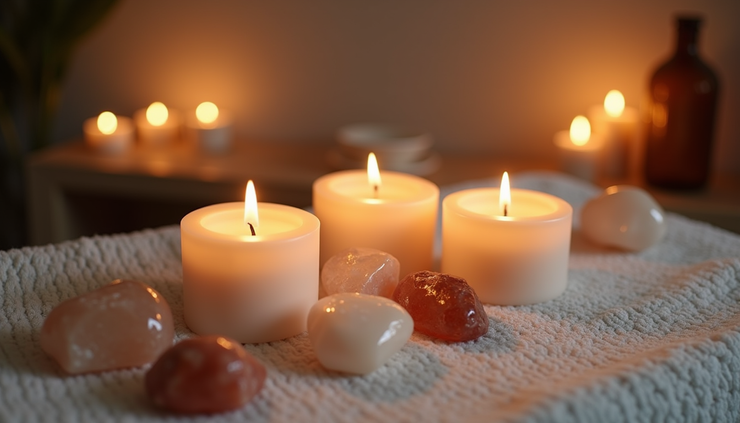
How to Prepare for Your First Reiki Session
If you decide to try Reiki, here are some tips to get ready:
Wear comfortable, loose clothing.
Arrive a few minutes early to settle in.
Share any health concerns or questions with your practitioner.
Keep an open mind and allow yourself to relax.
Drink water after the session to help your body process the energy.
Finding a Reiki Practitioner
Look for a qualified Reiki practitioner with good reviews or recommendations. Many practitioners offer an initial consultation to explain the process and answer questions. Trust your intuition when choosing someone you feel comfortable with.
Reiki is a personal experience, and everyone’s journey with it is different. If you feel drawn to explore it further, taking that first step can often be a simple and positive one.
If you’d like guidance or support along the way, I offer Reiki sessions in Ayr in a calm and welcoming environment. A list of services and treatments can be found on my bookings page here.
Comments